Date: May 18, 2026
Venue: Conference Room, SRCC Centre for Child Development
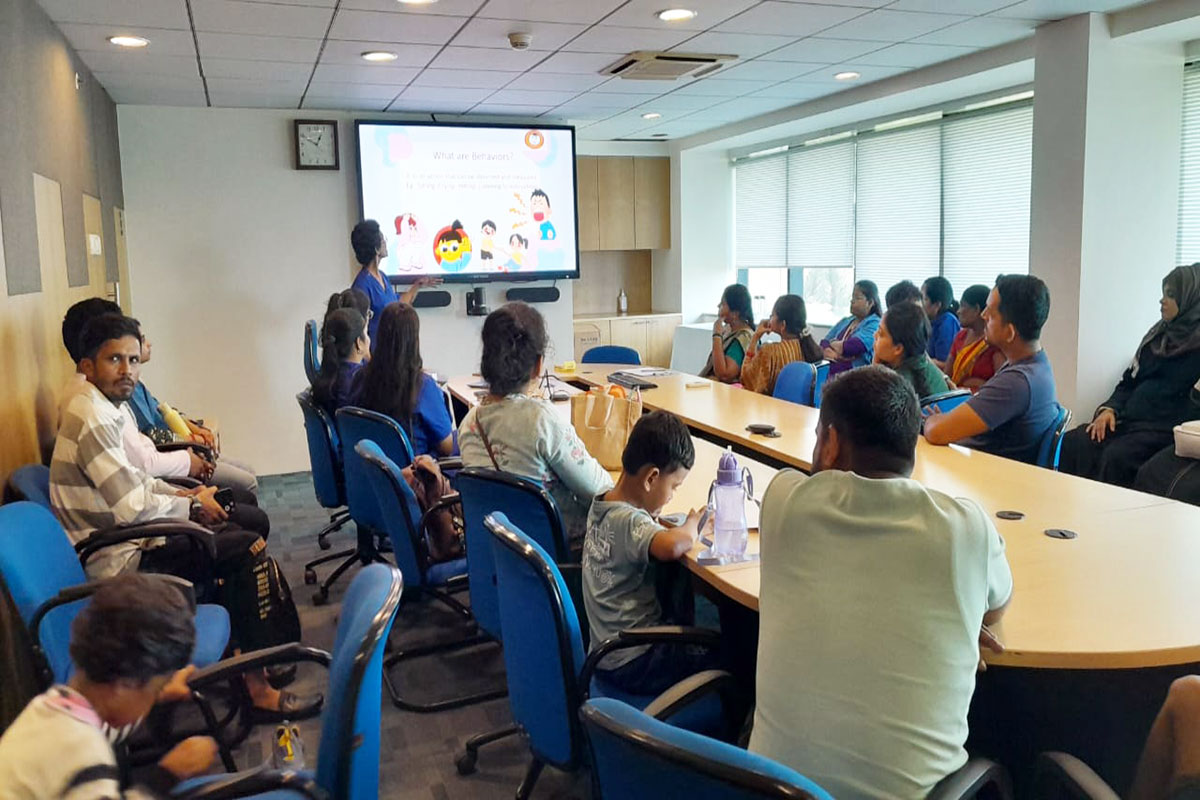
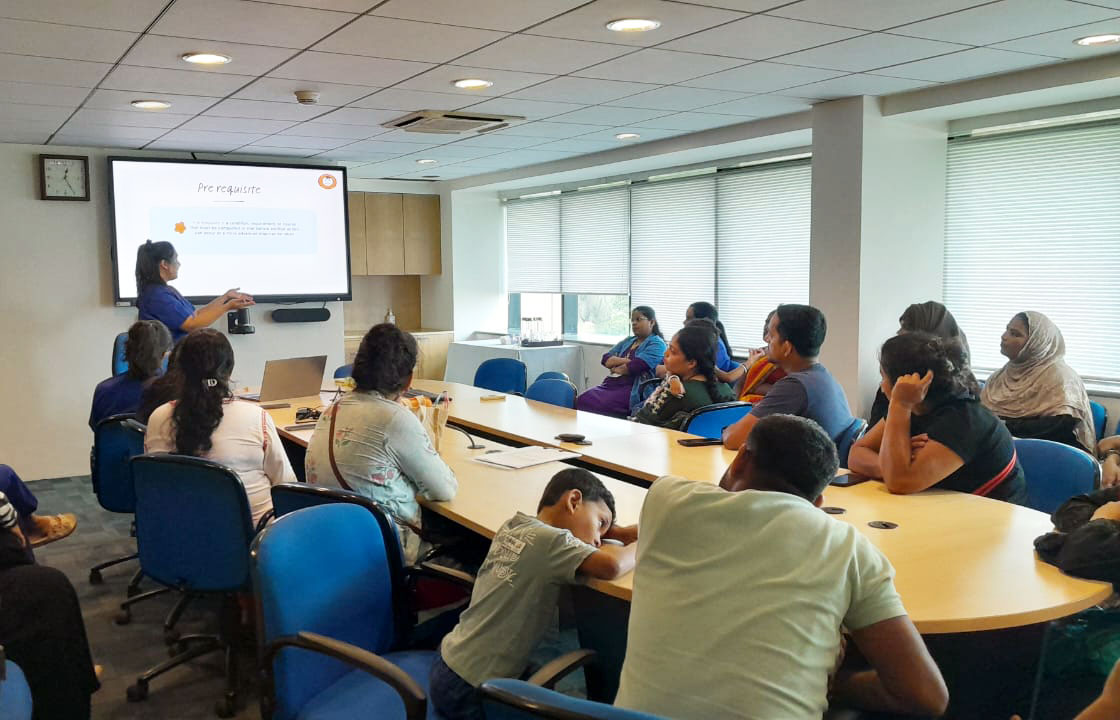
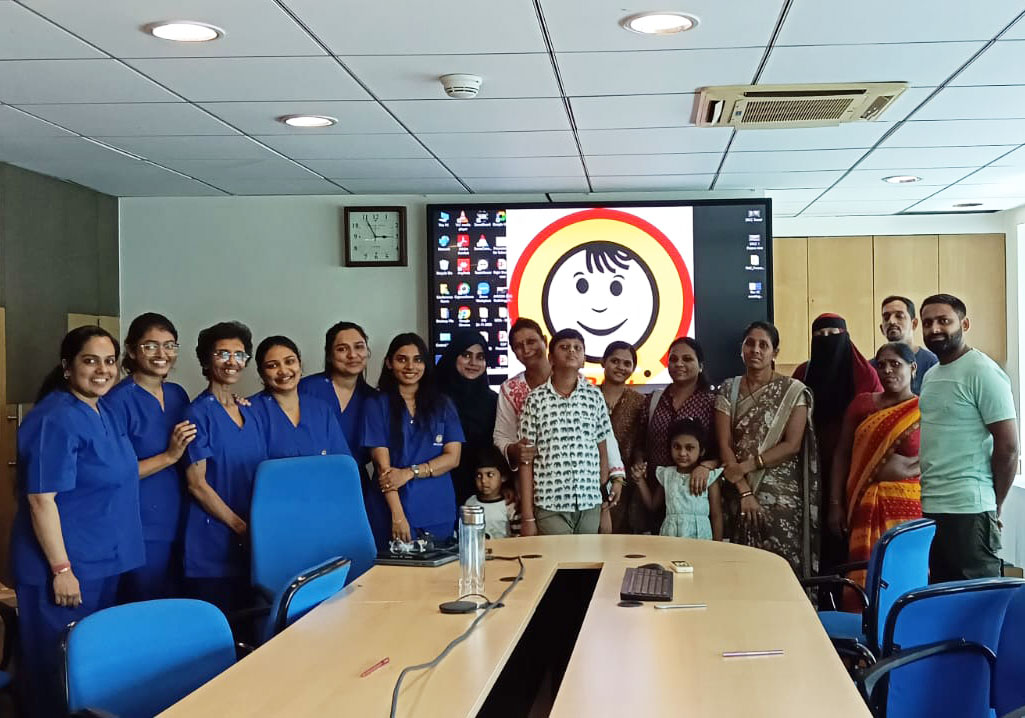
On the occasion of National Speech & Language Pathologist Day the SRCC Centre for Child Development has successfully conducted a parents awareness program with an aim to empower parents with knowledge & create awareness and practical understanding of early communication & behavioural influences. Program also aimed at promoting inclusive and supportive practices for children with diverse needs & highlighted the critical role of speech and language pathologists in enhancing communication skills and promoting meaningful participation in everyday life. Through informative presentations, interactive discussions, and real-life parent experiences, the session emphasized the importance of early identification, intervention, and collaborative support in a child’s developmental journey. Parents gained a deeper understanding of how early abilities of the child serve as building blocks for language acquisition and effective communication. The discussion during the program emphasized that behaviour is often a form of communication and highlighted the importance of understanding the underlying needs that children may be expressing through their actions. The program also featured a session on Neurodiversity-Affirming Practice, encouraging acceptance, respect, and appreciation of individual differences in children. Parents were introduced to strength-based, child-centred approaches that support each child’s unique communication style and developmental pathway, fostering a more inclusive and supportive environment both at home and in the community. An engaging segment titled “Happy Meal” provided valuable insights into feeding development, mealtime interactions, sensory experiences, and the importance of creating positive feeding routines. Parents were guided on practical ways to make mealtimes enjoyable, supportive, and developmentally enriching for their children. The session further included an informative discussion on AAC Know How (Augmentative and Alternative Communication), helping parents understand how AAC systems and tools can support children with limited verbal communication. The presentation highlighted the role of AAC in enhancing communication, participation, and independence across everyday settings.Adding a personal and inspiring dimension to the program, podcast videos featuring parents sharing their journeys were screened during the session. These experiences offered meaningful perspectives on acceptance, communication support, early intervention, and the value of active family involvement in therapy and daily routines. The program was highly interactive and well-received, providing parents with practical strategies, valuable insights, and a deeper understanding of their child’s communication needs. The event concluded with a powerful message: every child deserves the opportunity to communicate, connect, and thrive, and through informed support, acceptance, and collaboration, families can play a vital role in helping children reach their fullest potential.