Date: June 4, 2026
Venue: SRCC Centre for Child Development
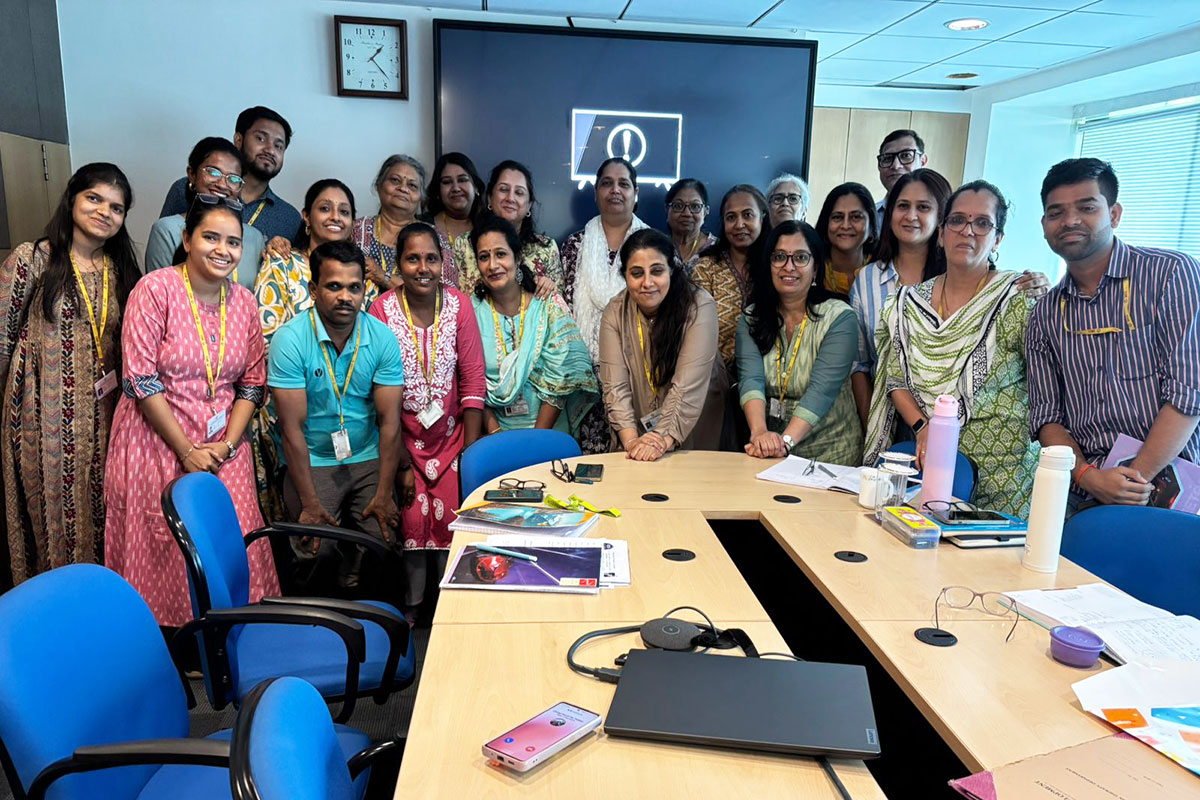
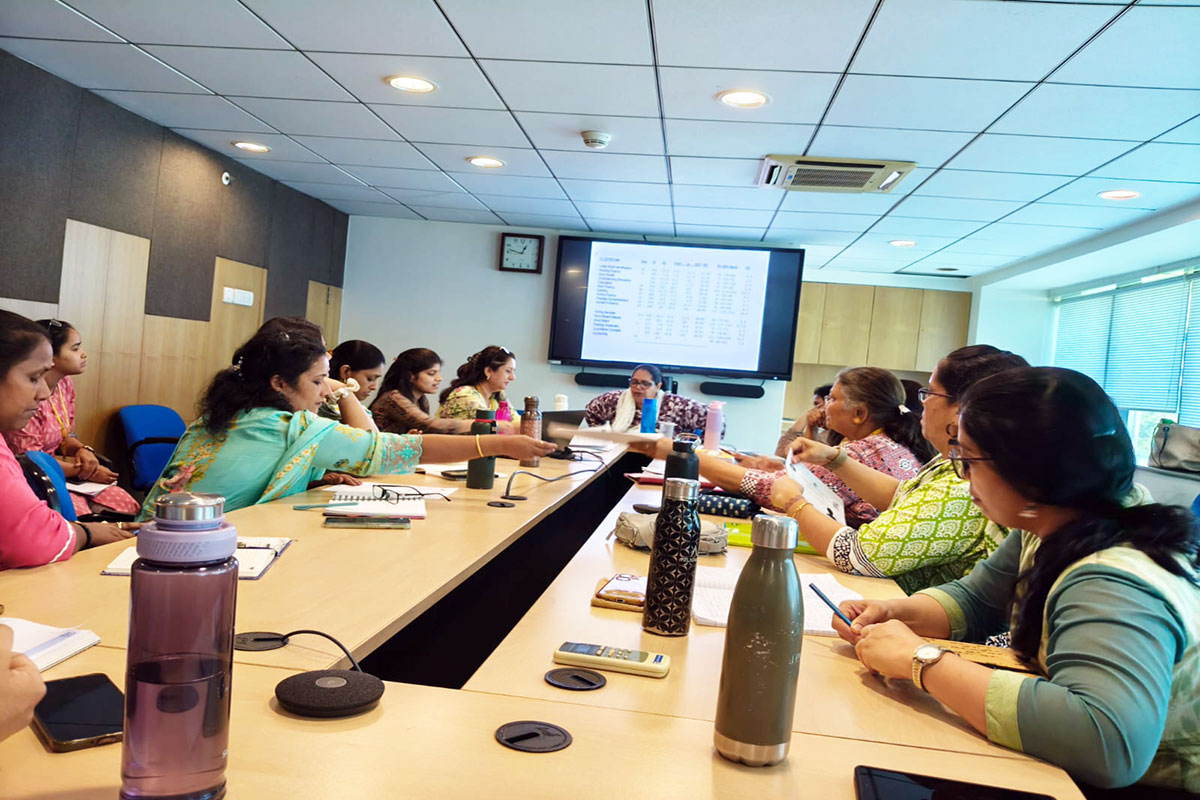
A workshop on understanding psychoeducational assessment reports and their role in planning children’s future goals was conducted on June 4, 2026, for the multidisciplinary therapy team at the SRCC Centre for Child Development. The session was led by Ms. Sheetal Dhillon from the Learning Disability Department at Nair Hospital and provided valuable insights into the interpretation and application of psychoeducational assessments in clinical and educational settings.
The workshop focused on enhancing participants’ understanding of psychoeducational evaluation reports, including the interpretation of commonly used intelligence and achievement tests. Ms. Dhillon explained various IQ ranges and their significance in understanding a child’s cognitive strengths, challenges, and overall learning profile. Participants gained a deeper appreciation of how assessment findings can guide individualized intervention planning and educational recommendations.
A key highlight of the session was the detailed overview of the Woodcock-Johnson Test. Through practical examples, Ms. Dhillon demonstrated the scoring process and guided participants in accurately interpreting test results. She also discussed the significance of the Unique Disability ID (UDID) card and its role in facilitating access to services and support for children with disabilities.
The workshop incorporated interactive discussions centered on children receiving services at the Centre, allowing participants to connect theoretical concepts with real-life clinical scenarios. Through case-based learning, the team explored report interpretation, scoring procedures, and the rationale behind specific observations and recommendations documented in assessment reports. The session also addressed important considerations regarding the reporting of Full-Scale IQ scores and the circumstances under which such scores may not be considered representative of a child’s abilities.
The workshop proved highly informative and engaging, significantly strengthening the team’s understanding of psychoeducational assessments and report interpretation. The knowledge gained will support therapists in making more informed decisions, facilitating effective collaboration with families of children with special needs and educators, and providing enhanced academic and therapeutic support to children.